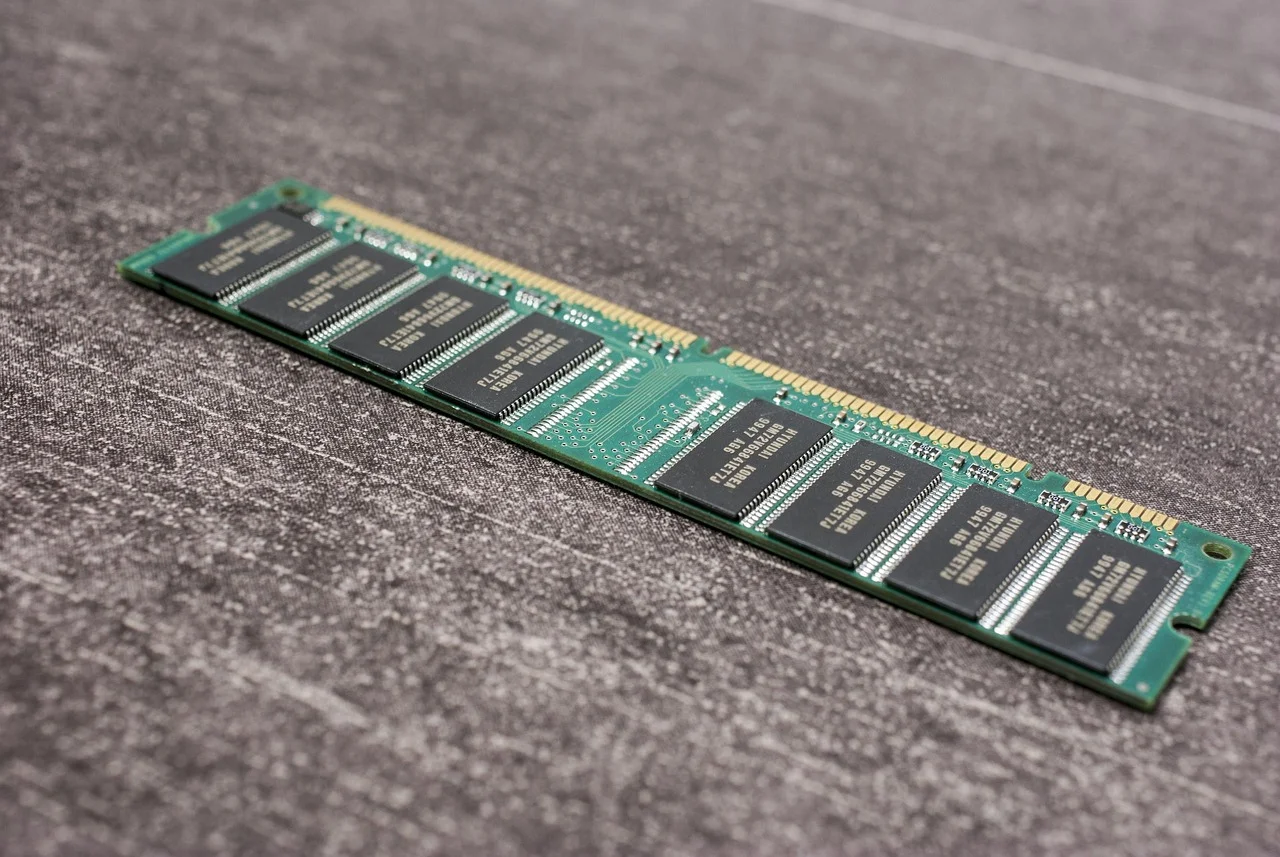
 Never would I have thought that in 2026, DDR2 prices would surge, but that is exactly what is happening as the ongoing AI-driven memory shortage continues to work its way down through older memory standards. What exactly is happening with the memory crisis, why is DDR2 now drying up, and what does this mean for engineers developing new technology?
Why Are We Facing A Memory Crisis?
Prices for DDR memory have never been higher, especially those targeting servers and AI applications. The rapid deployment of AI infrastructure across the globe has seen memory manufacturers increasingly shift their production capacity towards high-margin memory designed for servers and AI accelerators, particularly High Bandwidth Memory (HBM), which has become one of the most sought-after semiconductor products in the industry.
This shift has naturally come at the expense of consumer-grade memory. Manufacturers have begun scaling back production of traditional DDR memory, with one of the biggest names in the industry, Micron, even announcing that it would no longer produce its famous Crucial desktop and server memory products. While this does not affect Crucial laptop memory modules, it highlights where the industry's priorities now lie.
With manufacturers producing less commodity memory while AI demand continues to grow, memory prices have inevitably increased. Interestingly, however, the actual supply of consumer DDR4 and DDR5 memory has not yet fallen dramatically. There is still plenty of stock available through distributors and retailers to satisfy current demand.
Instead, much of the current price increase appears to be driven by market expectations as much as actual shortages. Retailers continue to advertise large inventories of DDR4 and DDR5 memory, yet many of these products remain unsold despite their elevated prices. Nevertheless, prices have stayed stubbornly high as AI datacentres continue placing enormous pressure on manufacturers to prioritise HBM and enterprise memory over the commodity DRAM used in consumer PCs and many embedded systems.
If manufacturers continue redirecting production capacity away from consumer memory, these currently healthy inventories will eventually begin to shrink. Once existing stock has been depleted, genuine shortages could emerge, potentially pushing DDR4 and DDR5 prices even higher.
DDR2 Memory Now 60% More Expensive
Just when it seemed that the memory shortage could not become any more unusual, the AI-driven DRAM supply crunch has now reached DDR2. According to recent reports, contract prices for DDR2 memory increased by between 55% and 60% during the second quarter of 2026, with a further increase of 35% to 40% expected during the third quarter.
To secure increasingly limited memory supplies, hardware manufacturers have begun downgrading memory requirements wherever possible. Systems originally designed around DDR4 are instead being redesigned to use DDR3, while some embedded, industrial, networking, and legacy platforms are now turning to DDR2 as DDR3 availability also begins to tighten.
The reason for this shortage is ultimately the same as the one affecting newer memory technologies. Major DRAM manufacturers continue redirecting production capacity towards far more profitable AI-focused high-bandwidth memory products used alongside data center accelerators. As DDR5 and DDR4 production has tightened and prices have increased, demand naturally shifted towards DDR3. Now that DDR3 supplies are themselves becoming constrained, the same price pressure has cascaded down to DDR2, a memory technology first introduced back in 2003.
Unfortunately, DDR2 is particularly vulnerable because only a handful of manufacturers still produce it. Winbond has reportedly been reducing DDR2 production in favor of more profitable memory products, while ESMT has been attempting to maximize DDR2 output. However, ESMT alone cannot compensate for the declining supply across the wider industry, resulting in rapidly increasing prices. The effects of the wider memory shortage are already being felt throughout the electronics industry.
Rising memory costs are contributing to higher prices for PCs, smartphones, tablets, and countless other electronic products, while manufacturers have reported significant increases in procurement costs as memory becomes increasingly difficult to source.
Although additional production capacity is expected to come online during 2027 and beyond, that offers little relief for companies needing memory today. Instead, the situation highlights just how dramatically AI demand is reshaping the semiconductor industry, affecting not only the latest memory technologies but even decades-old products that were once considered abundant and inexpensive.
What Does This Mean for Developing New Tech?
With DDR5, DDR4, and now DDR3 becoming increasingly expensive or difficult to source, the fact that manufacturers are being forced to consider DDR2 is hardly a positive sign for the future of new hardware development.
To be fair, DDR2 is still perfectly capable of serving many low-power and low-memory applications. Simple IoT sensors, industrial controllers, and basic embedded systems often require relatively little RAM, making DDR2 a perfectly workable solution in many cases. The problem is that DDR2 remains a technology designed more than twenty years ago, with significantly lower bandwidth and capacity compared to modern memory standards.
For developers building more advanced controllers, edge AI systems, high-performance networking equipment, or other cutting-edge technologies, DDR2 simply will not be suitable. Instead, many companies may find themselves delaying new designs or redesigning products while waiting for the memory market to stabilize.
One potential saving grace may come from China. Chinese memory manufacturers have been steadily expanding DDR3 and DDR4 production, and if these products can be manufactured at sufficient scale and supplied internationally, China could rapidly become one of the primary sources of consumer and industrial memory.
That would represent a significant shift in the global semiconductor market, placing China in an even stronger position within the electronics supply chain while leaving Western manufacturers increasingly dependent on imported memory products. Whether that ultimately happens remains to be seen, but if Western memory manufacturers continue prioritizing AI-focused products over commodity DRAM, the market may leave customers with very few alternatives.
The future remains uncertain, but one thing is already becoming clear; AI is no longer just transforming computing, but is now reshaping the entire semiconductor supply chain, and if current trends continue, even technologies as old as DDR2 may no longer be the cheap and readily available components that engineers once took for granted.
You may also like