
onsemi NVBLS1D2N08X MOSFET
Manufacturer
Part #
Category
onsemi NVBLS1D2N08X SemiconductorsDescription
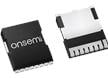
The onsemi NVBLS1D2N08X MOSFET features a low QRR, RDS(on), and QG to minimize driver and conduction loss. It is AEC-Q101-qualified for automotive 48V system applications and operates with an 80V drain-to-source voltage and 299A continuous drain current. This device is available in a H-PSOF8L package.

onsemi NVBLS1D2N08X MOSFET
Introduction
The onsemi NVBLS1D2N08X MOSFET is a high-performance semiconductor device designed for demanding automotive applications. With its advanced features, this MOSFET is engineered to optimize efficiency and reliability in various electronic systems.
Part Description
The onsemi NVBLS1D2N08X MOSFET is characterized by its low QRR, RDS(on), and QG, which significantly reduce driver and conduction losses. It is AEC-Q101-qualified, making it suitable for automotive 48V system applications. The device can handle an 80V drain-to-source voltage and supports a continuous drain current of up to 299A. It is packaged in a compact H-PSOF8L format, ensuring ease of integration into various designs.
Applications
- Synchronous Rectification (SR) in DC-DC and AC-DC converters
- Primary switch in isolated DC-DC converters
- Motor drives
- Automotive 48V systems
Industries
- Automotive
- Consumer Electronics
- Industrial Automation
- Renewable Energy Systems
Usage Ideas
- Electric Vehicle Power Management: Utilize the NVBLS1D2N08X in the power management system of an electric vehicle to efficiently manage energy distribution and enhance battery performance.
- Solar Inverter Design: Implement this MOSFET in a solar inverter circuit to improve the efficiency of DC-AC conversion, maximizing energy output from solar panels.
- Robotic Motor Control: Use the NVBLS1D2N08X in a motor control circuit for robotics, ensuring precise and efficient operation of high-current motors.
Conclusion
The onsemi NVBLS1D2N08X MOSFET stands out as a reliable and efficient component for various applications, particularly in the automotive sector. Its low loss characteristics and robust specifications make it an ideal choice for engineers looking to enhance the performance of their electronic designs.