
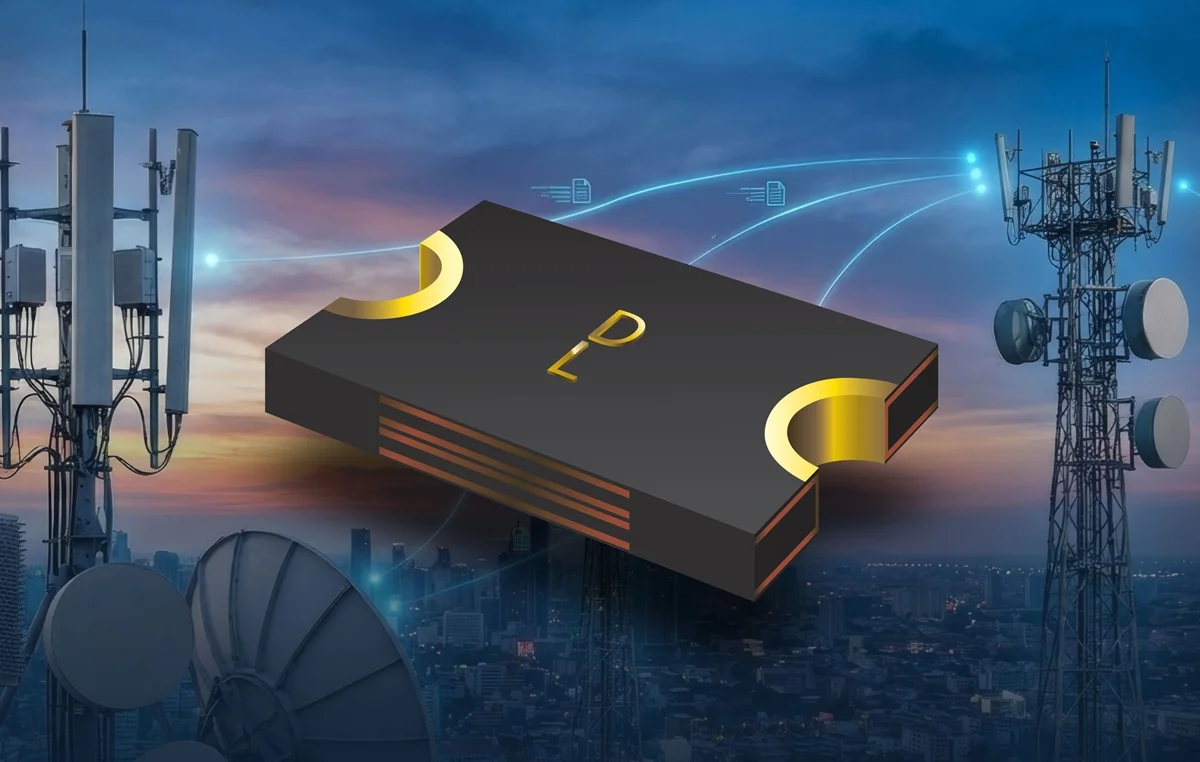
 Designers working around low voltage DC ports usually end up fighting the same constraint. A port that looks harmless on a schematic becomes a problem once someone plugs in hardware that drags the line beyond what the board was meant for. The symptoms vary. Sometimes the port locks up, other times the thermal envelope closes without warning and a trace begins to brown at the edges. In every case you need a resettable element that does not cook itself after a handful of trips. That is the space where the expanded Multifuse® MF-LSMF High-Power Surface Mount Polymeric Positive Temperature Coefficient (PPTC) Resettable Fuse Series from Bourns makes more sense than it first appears.
Broader Current Window That Fits Real DC Port Behavior
Polyfuses tend to feel predictable on paper but behave differently once a port has to cope with bursts from USB powered nodes or long cable runs that build their own energy store. The updated MF LSMF lineup stretches hold current to around 7 A and pushes the voltage limit up to 72 V, which gives the device room to breathe during those moments where the load does something unexpected. You see the value of that wider operating window when a board is tested with equipment that pulls more inrush than the design team expected. The fuse stays in a stable region instead of flirting with nuisance trips that ruin field reliability.
Packaging That Works In Dense Mixed Signal Boards
The smallest variant lands in a 2920 SMD format, and that footprint helps more than you expect when the protection element has to sit close to a connector. Designers often push these devices deeper into the board to save space, only to discover that trace resistance and thermal coupling start shifting trip behavior. Keeping the fuse near the port avoids that drift. The SMD construction with ENIG plating also reduces long term surprises. Cheaper plating finishes can develop whiskers or oxidize in humid environments, which shows up as intermittent faults long before anyone suspects the fuse. ENIG keeps that pathway clean over years of operation.
Behavior That Holds Up Under Repeated Electrical Stress
Bourns freeXpansion structure has always been more than a branding term. It influences how evenly the polymer matrix expands and contracts during trip events. On boards that see continuous resets during development or in systems where the line is frequently disturbed, lesser parts begin to age in ways that you only notice after the protection level drifts lower than expected. These new MF LSMF parts tolerate those cycles with better stability. That matters in equipment such as security hardware or industrial controllers where ports run warm for long periods and then face sudden surges when peripheral equipment boots up.
A Fit For Telecom, Industrial Control And Portable Hardware
Telecom interfaces, powered Ethernet stages, sensor gateways and portable test equipment all lean heavily on components that can handle thermal strain without introducing extra series drop. The MF LSMF expansions offer a combination of hold current, trip behavior, and voltage tolerance that lets designers avoid stacking multiple protection parts to cover edge cases. It is not about headline numbers. It is about keeping a rail predictable across conditions that are rarely neat or uniform.
Learn more and read the original announcement at www.bourns.com
You may also like