
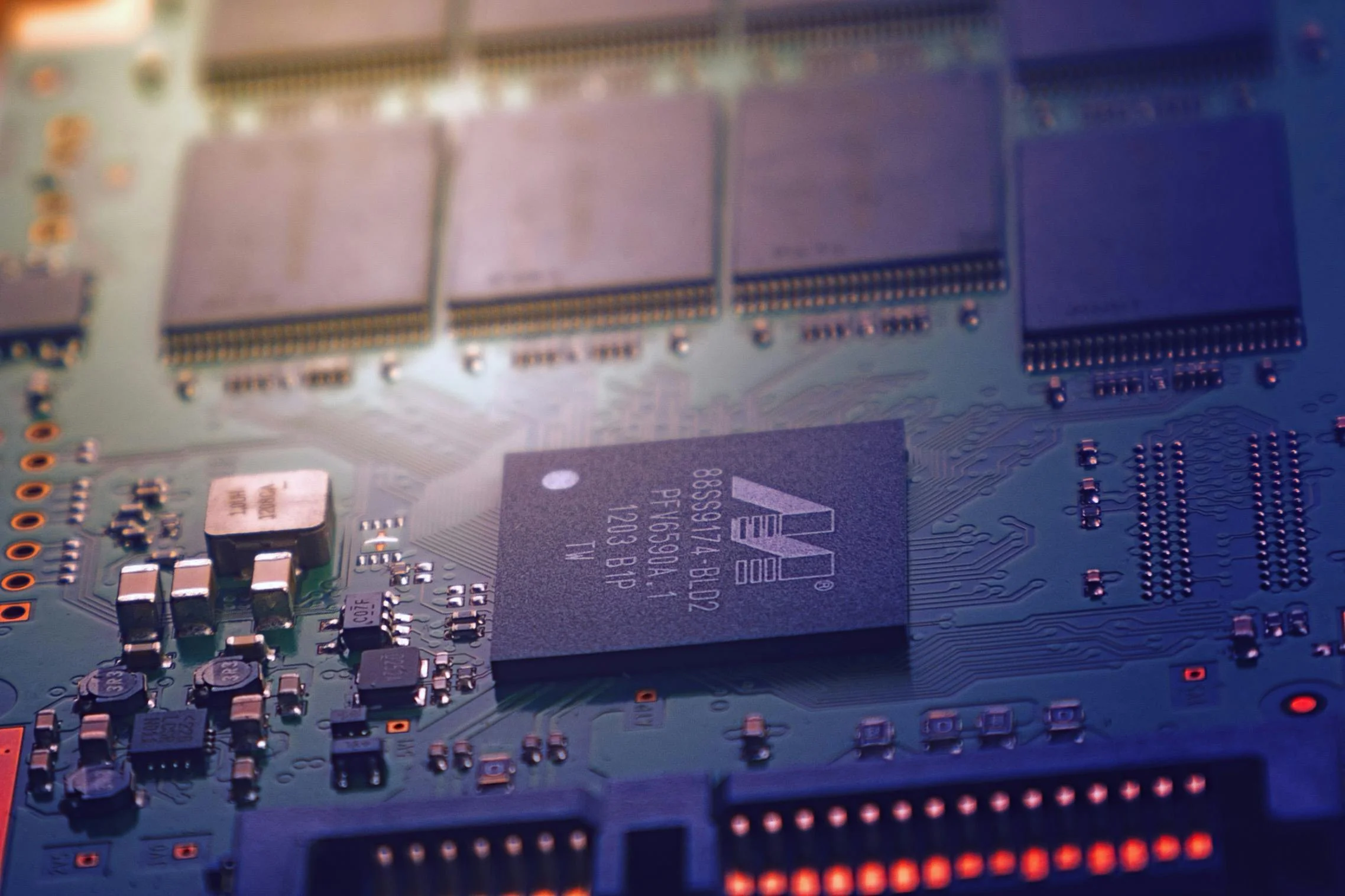
The Rise Of China In The Semiconductor Space
Semiconductors are one of the most important components in modern life, affecting everything from society to technology. While semiconductors have played a critical role for several decades, it was only during the COVID pandemic that countries around the world truly understood just how important they were.
When supplies of semiconductors dried up, technology industries ground to a halt, resulting in significant production disruptions and billions in lost revenue. During this time, the West also noticed how dependent it was on semiconductors, and this realization led to the creation of stockpiles of semiconductors in anticipation for the next shortage.
However, for some countries (such as China), the realization of how important semiconductors were also led to the realization of how dependent western nations were on countries such as Taiwan and South Korea. This discovery, combined with concerns raised about intellectual property theft, allegations of forced labour in parts of some supply chains, and disputes over market practices, led Western governments to impose export controls and restrictions aimed at limiting access to certain advanced semiconductor technologies.
In response to these export restrictions, China has begun pushing its engineers to create an independent semiconductor industry. Despite facing numerous difficulties, the combination of government funding, large investments, and accusations of industrial espionage and intellectual-property-related disputes saw Chinese semiconductor foundries not only start to manufacture their own devices, but even enter the field of AI and RISC-V development.
China Could Account For 32% Of The Global Semiconductor Space By 2030
A recent report published by DigiTimes has revealed that China could account for more than 32% of the world's supply of semiconductors by 2030. Considering how fast China has been accelerating its semiconductor industry, this figure is more than believable when taking into account of how many semiconductor foundries China has acquired and opened in the last few years.
The release of new chips, the increased use of AI accelerators, and efforts to develop domestic alternatives to some Western solutions (and limits on certain US technologies) all demonstrate how China is rapidly working towards an independent semiconductor industry. At the same time, the rise of RISC-V has helped China challenge incumbents such as ARM and established players in CPU/GPU and AI chip markets.
Furthermore, the problems with supply in the DRAM and memory markets will provide China with a massive opportunity. While next-gen EUV-equipped systems from ASML are needed to produce the most advanced transistor technologies, many semiconductor products do not require the most advanced EUV lithography and can be produced on mature nodes (for example, 14nm or larger) that remain widely used.
Considering that many memory products can be manufactured on older process nodes, China could manufacture large quantities of mature-node memory products. This would enable China to meet domestic demand and build inventories that could support its own industrial plans.
From there, China could then use those resources to fund its own next-generation efforts and to pursue technologies and process routes that rely less on the most advanced EUV-equipped tools, rather than implying a simple immediate severing of all ties to Western suppliers. Considering that consumer hardware demand runs into the billions, this figure of 32% is plausible, and could even be conservative.
What Does This Mean For The West?
The west has long been a major centre of technological development, research, and advancement. However, the past decade has seen the west focus heavily on next-generation technologies while relying on foreign production for many current-generation products.
For example, the lack of substantial foundry capacity for certain nodes in the West has made it heavily reliant on other nations for semiconductors, contributing to shortages. Rather than allowing time for domestic capacity to scale up in some cases, Western governments have implemented export controls and other measures aimed at slowing the transfer of advanced technology.
In the case of China, export controls may slow progress, but they do not remove the economic incentives or the domestic push to build capabilities. It is plausible that China could achieve substantial independence in some semiconductor segments over the next decade, though advanced nodes dependent on EUV remain constrained by equipment access and technical challenges.
Overall, it is clear that the west could benefit from re-evaluating industrial policy: investing in domestic capacity for both advanced and mature-node production, and considering the value of building older-generation semiconductor plants that can continue to supply widely needed parts, since older nodes are generally easier and faster to establish compared to bleeding-edge facilities.
You may also like