 Silicon Labs has introduced the Simplicity Ecosystem, a modular development platform built to simplify how engineers create connected devices. Anchored by Simplicity Studio 6, it combines traditional debugging and configuration tools with a growing set of modular utilities designed to fit into modern workflows.
For developers used to juggling toolchains, SDKs, and third-party extensions, the idea is straightforward: make the environment flexible enough to work the way engineers already do. Whether through VS Code, command-line automation, or Silicon Labs’ own GUI tools, everything now connects into a single, consistent structure.
Modular Tools for a Changing IoT Landscape
The ecosystem supports all major wireless standards: Bluetooth LE, Zigbee, Thread, Matter, Wi-Fi, Wi-SUN, and Z-Wave, as well as Silicon Labs’ Series 2 and Series 3 devices. Its component-based layout makes it easier to scale from a quick test setup to full automation.
Tools like Device Manager, Network Analyzer, and Energy Profiler have been redesigned for speed and clarity. Device Manager provides a clean interface for flashing and managing boards, while the Network Analyzer visualises live wireless traffic for easier debugging across multiple protocols. The Energy Profiler, meanwhile, tracks real-time power consumption and links it directly to source code, helping teams cut current draw in battery designs.
Each element can run on its own or as part of the wider environment, so developers can pull in only what they need without loading an entire IDE.
A Glimpse of AI-Assisted Development
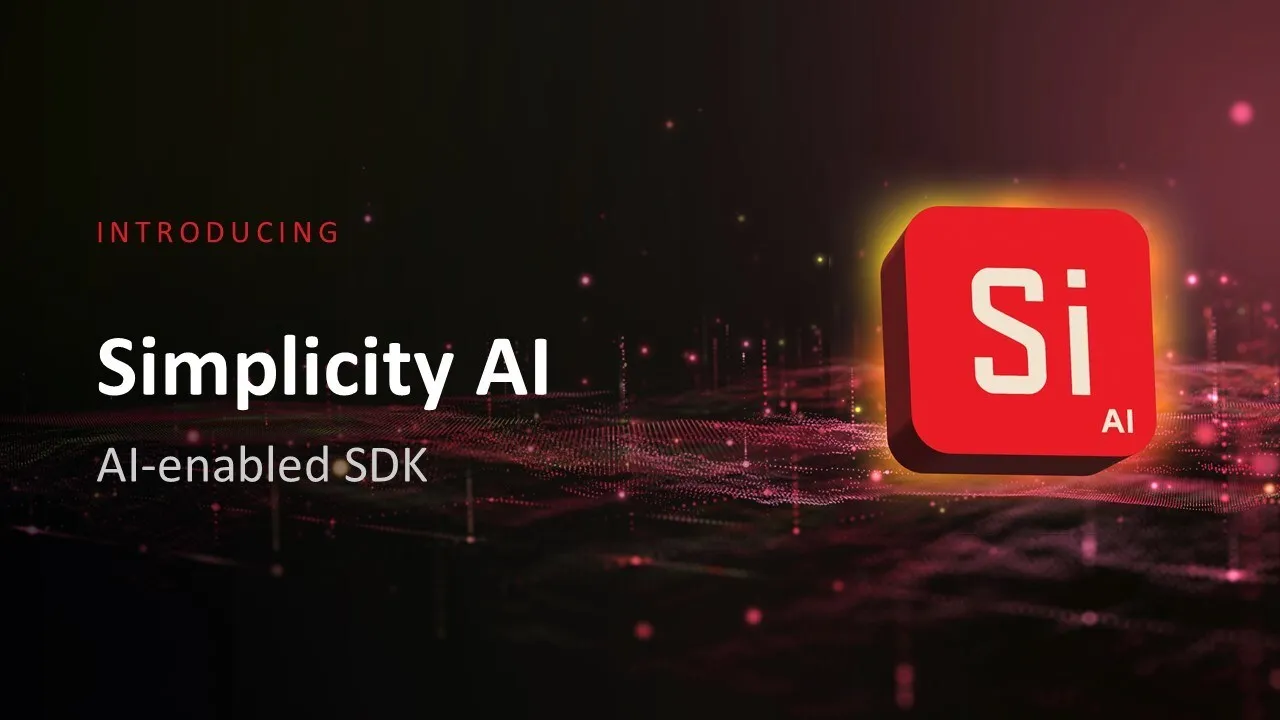
Looking ahead, Silicon Labs plans to introduce Simplicity AI SDK, an extension designed to bring intelligent assistance to embedded engineering. Rather than replacing the developer, it will act as a collaborator that can explain code behaviour, trace bugs, and offer suggestions based on project context.
The company calls this concept dynamic context engineering, giving the AI agent access to just enough local information to understand what the developer is working on. The first release, expected in 2026, will integrate directly into VS Code and focus on live code explanation and debugging.
Why It Matters
For years, Simplicity Studio has been a reliable base for building wireless products. The shift toward a modular and eventually AI-augmented ecosystem reflects how embedded development itself is changing. Engineers now expect open integration, automation, and tools that adapt to their workflow, not the other way around.
Silicon Labs is betting that the next phase of IoT innovation will come from removing the friction between ideas, hardware, and code, and the Simplicity Ecosystem is an early step toward that future.
Learn more and read the original article on www.silabs.com
You may also like